
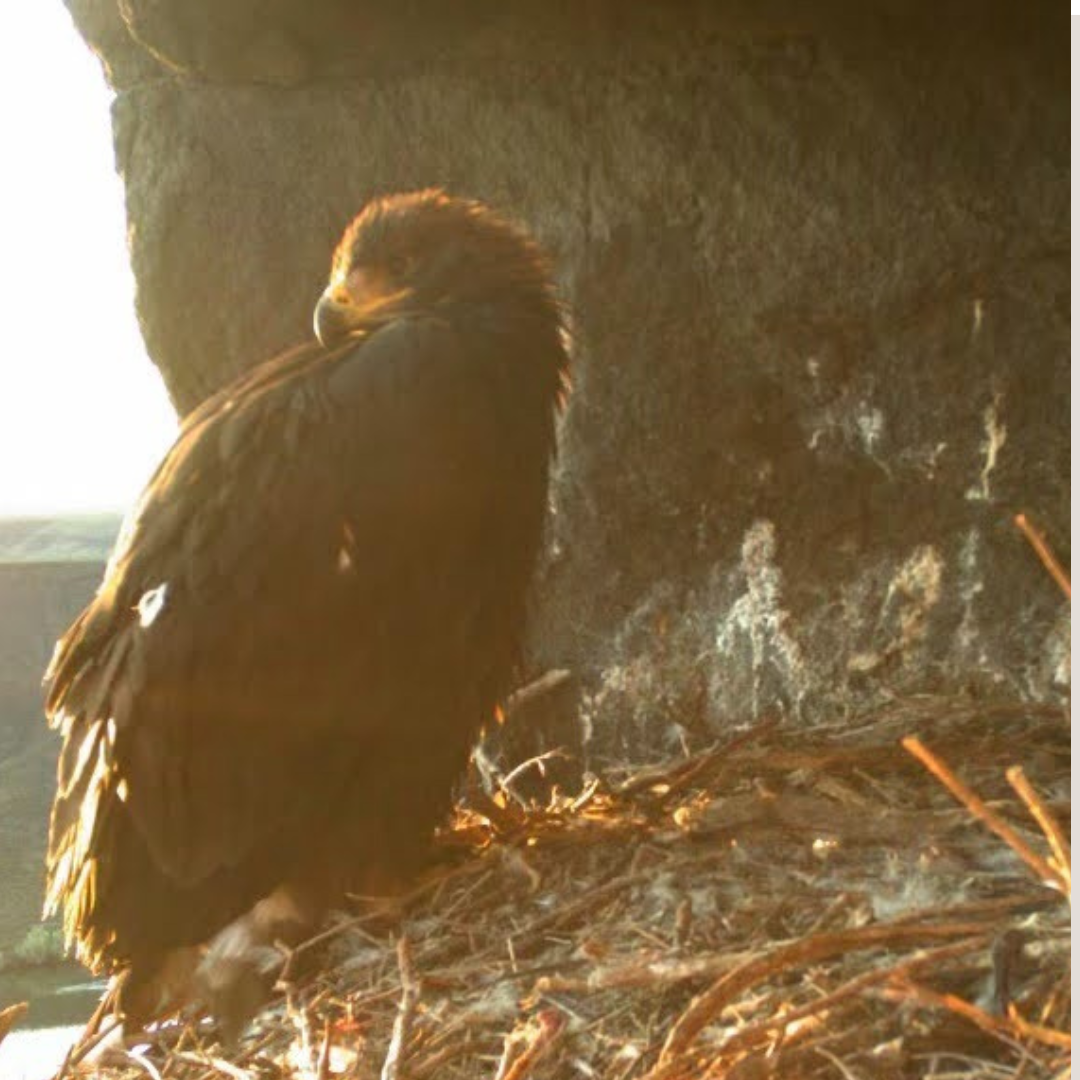
Golden Eagle Research at the Raptor Research Center
Each nesting season for the last 60 years, researchers with the Bureau of Land Management, U.S. Geological Survey, and more recently, the Raptor Research Center at Boise State University have monitored the golden eagle population in the Snake River Birds of Prey National Conservation Area. This is the longest running study of golden eagles in the world. This long-term study examines golden eagle population status, breeding biology, and post-fledging behavior to better understand the environmental factors shaping eagle survival and conservation in the western United States.
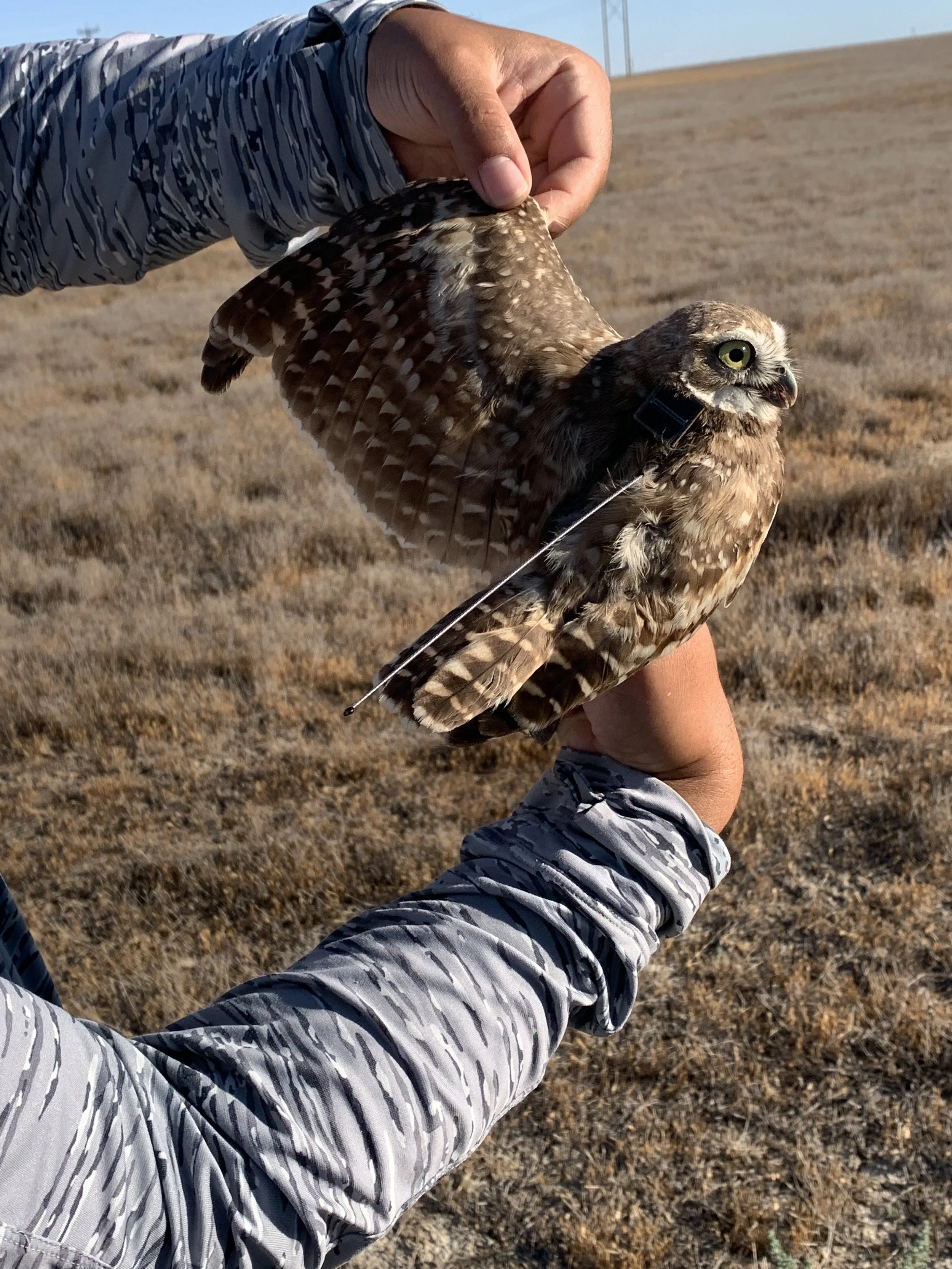
Anthony Locatelli’s Burrowing Owl Research
BOPP’s President, Steve Alsup, as well as NCA Biologist, Joe Weldon, joined Anthony Locatelli, a Ph.D student with University of Idaho’s Conway Lab, out in the field to conduct research on the movement of burrowing owls by attaching satellite transmitters to four fledgling owls in the NCA.
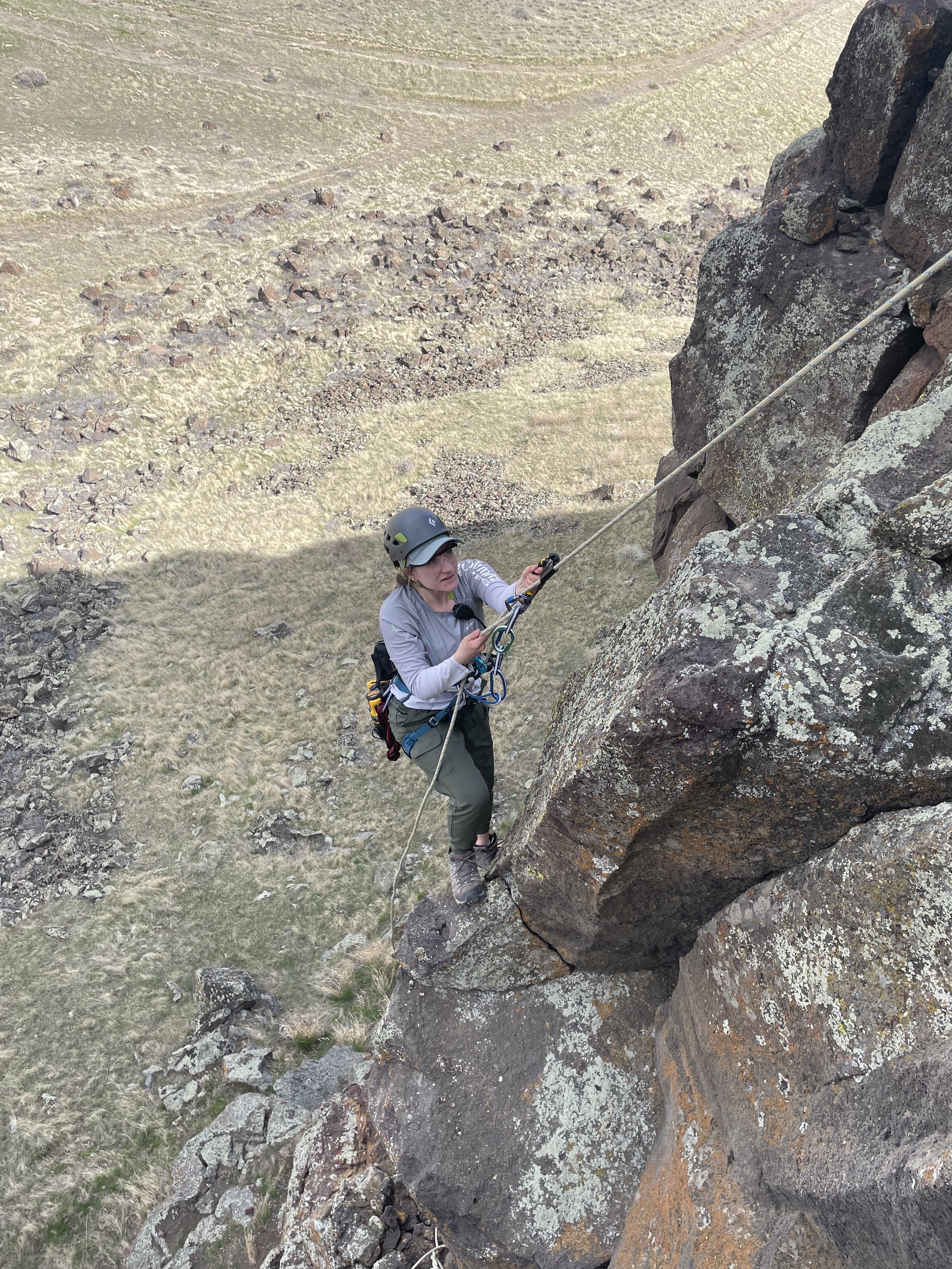
Inside Prairie Falcon Research: Zoe Bonerbo’s Work in the NCA
Discover how raptor biologist Zoe Bonerbo is studying prairie falcons in the NCA, exploring their nesting success, foraging behavior, and the factors affecting their survival. Learn how this research helps protect one of North America’s most unique grassland predators.

Addressing ferruginous hawk research gaps in the Morley Nelson Snake River Birds of Prey NCA
Our intern Annabel headed out with the ferruginous hawk research team to learn more about the work that they are doing to improve breeding outcomes for this endangered bird of prey.

NEW RESEARCH: Prairie Falcon (Falco mexicanus) Abundance in a National Conservation Area in Idaho Has Increased since the 1970s–1990s
The long term data set has shown that prairie falcons have increased in abundance within the boundaries of the NCA showing that, for the moment, the area is an effective conservation refuge.

Habitat Improvement Program update
An update on our Habitat Improvement Program - what’s been done, what’s happening next and what the future holds for the seedlings.