
Golden Eagle Research at the Raptor Research Center
By Annabel Christiansen
Did you know Boise State University offers the only Raptor Biology Masters Program in the world? This unique, research-focused graduate program within the Department of Biological Sciences is supported by the Raptor Research Center (RRC) at Boise State.
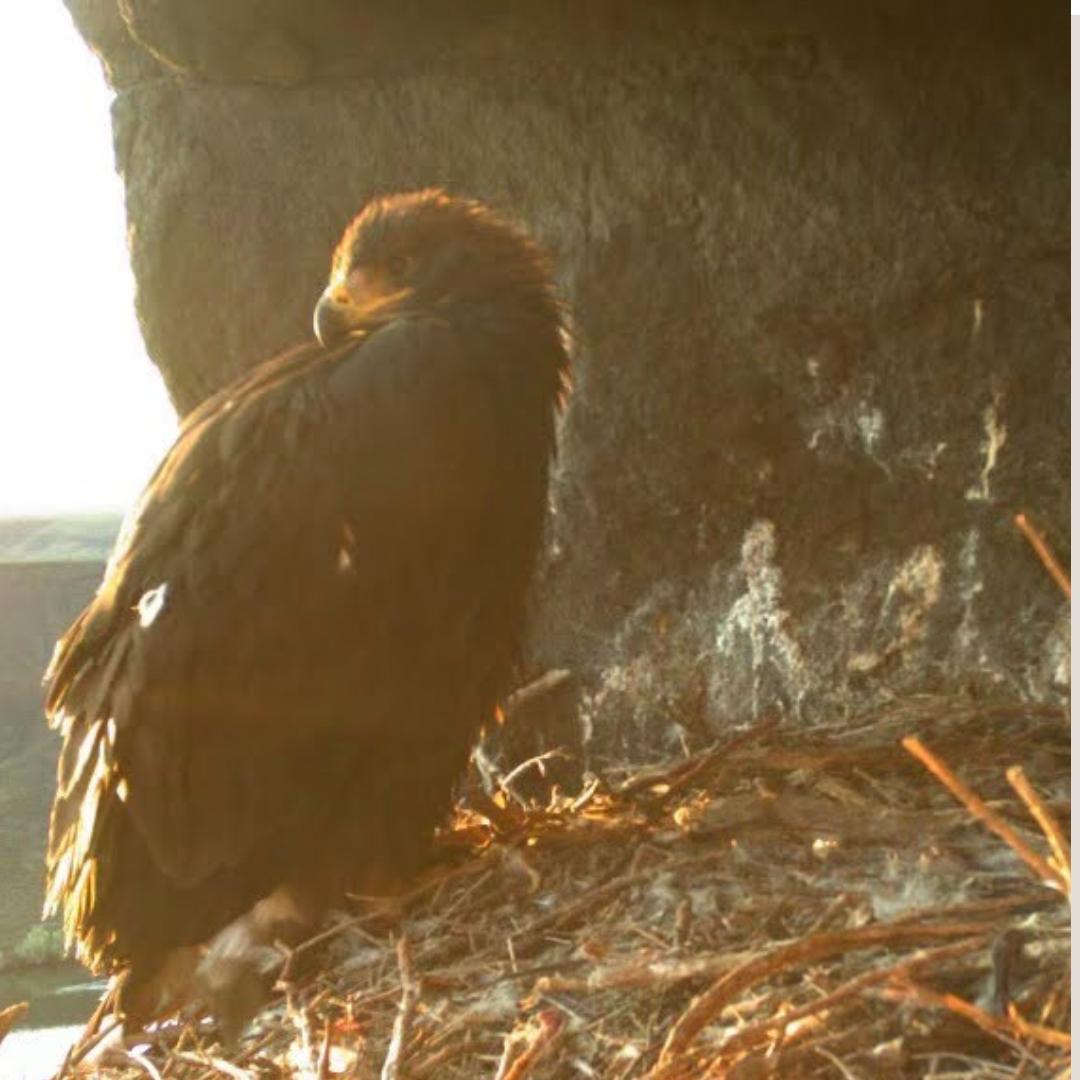
Here at the RRC, many vital research projects are taking place, including the golden eagle project, run by professor and RRC Director Julie Heath a team of student and professional researchers in the Heath Lab, whose primary interest is looking at how birds respond to large-scale patterns of environmental change.
(C) Kevin Myers
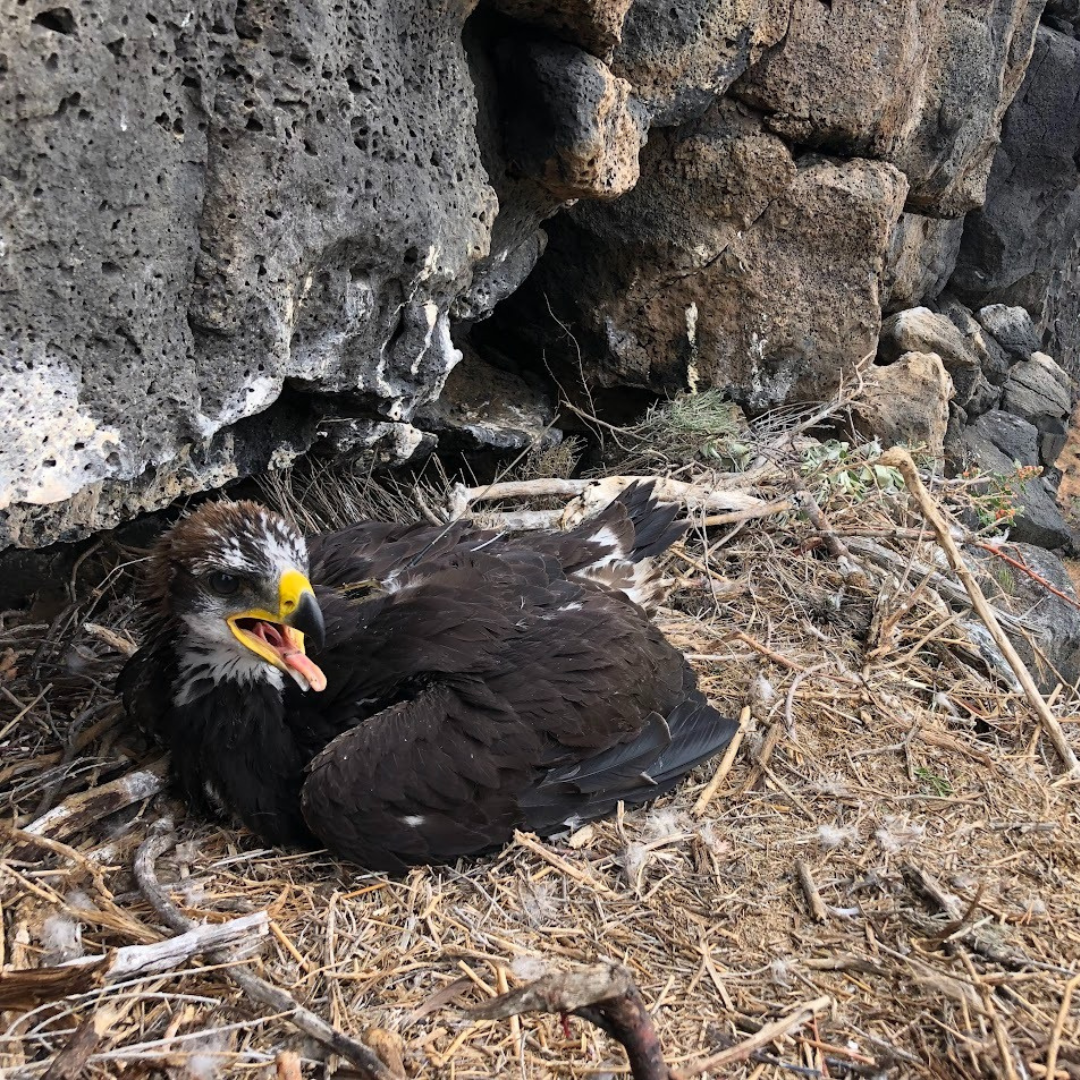
Research taking place in the NCA centered around the golden eagle population is nothing new - researchers from the RRC at Boise State University, USGS, and the BLM have been collaborating on an expansive dataset containing valuable information about the breeding biology of these incredible birds for over 50 years. This makes it one of the longest running raptor research projects in the world. The findings from such a long running dataset can show us important patterns and key us in on trends taking place within the golden eagle population in the NCA.
(C) Kevin Myers
Through the data, researchers were able to identify that the golden eagle population residing in the NCA has declined by 40% in the past 50 years, with half of that decline taking place in the past 15 years. Through continued monitoring of occupancy, nesting success, and productivity, the golden eagle project aims to closely examine and determine the potential stressors that could be contributing to this decline, and find ways to mitigate these stressors and begin work to strengthen the population.
(C) Kevin Myers
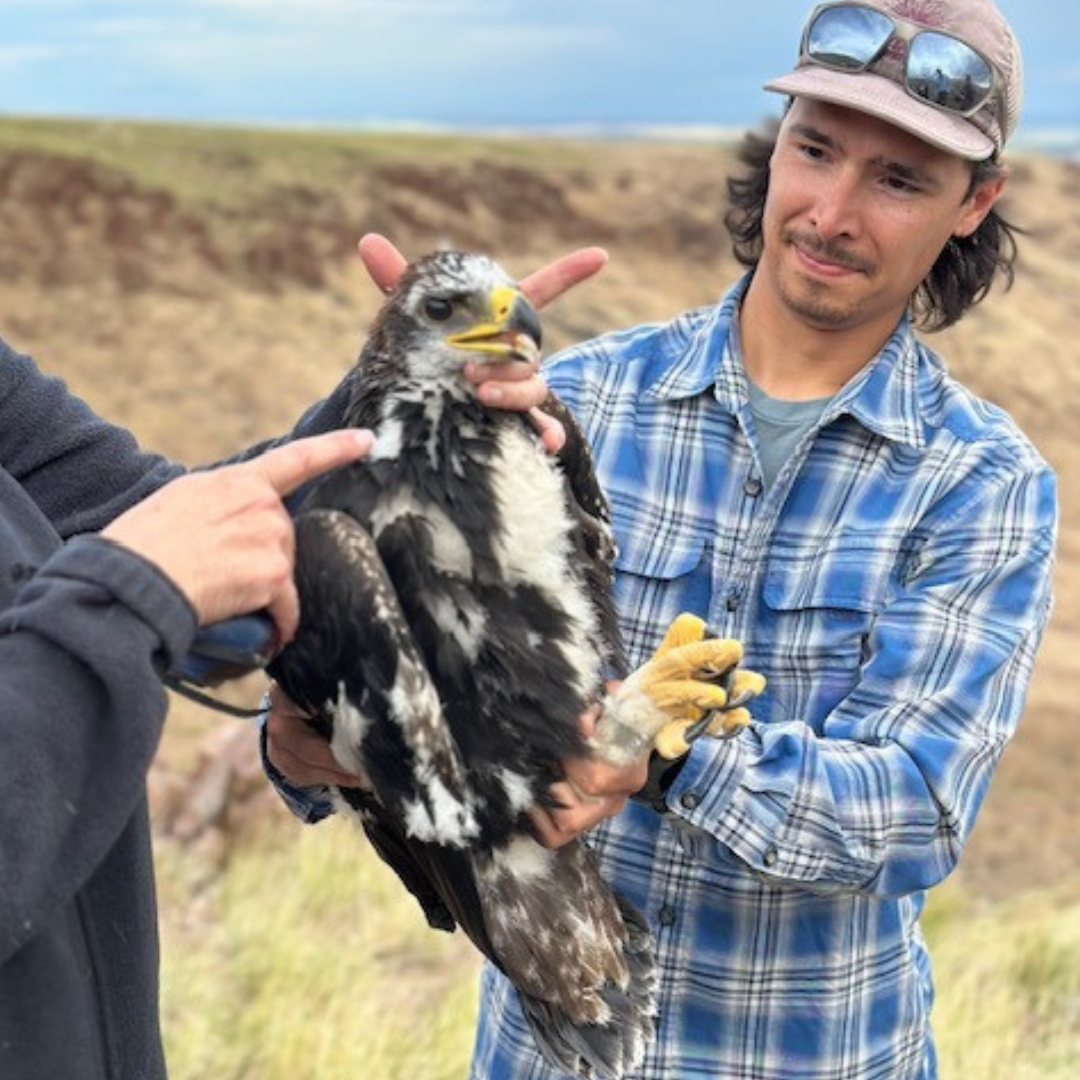
Kevin Myers is one of the graduate students working on the golden eagle project. I recently had the pleasure to talk to Kevin about the project, and the specific behavioral factors he is examining in his own research. Kevin is focused on learning more about the post-fledging dependence period (PFDP) in golden eagles. PFDP refers to the time after fledging that the golden eagles continue to depend on their parents for food and guidance before becoming fully independent. Through further research, Kevin found that this period of time tends to vary greatly for golden eagles residing in the NCA. One key reason for the variation of PFDP among golden eagles is diet breadth. Fledglings provisioned with a variety of prey remained dependent on their parents for longer than those fed only a few prey types. Rather than accelerating independence, a diverse diet appears to prolong the learning phase after fledgling. Young eagles exposed to many prey species may require additional time to develop hunting skills needed to capture such varied prey, or attain sufficient body condition before leaving their parents and natal territory. In contrast, fledglings raised on a narrow diet transitioned more quickly towards independence, highlighting diet breadth as an important driver of developmental timing and potentially first year survival in golden eagles.
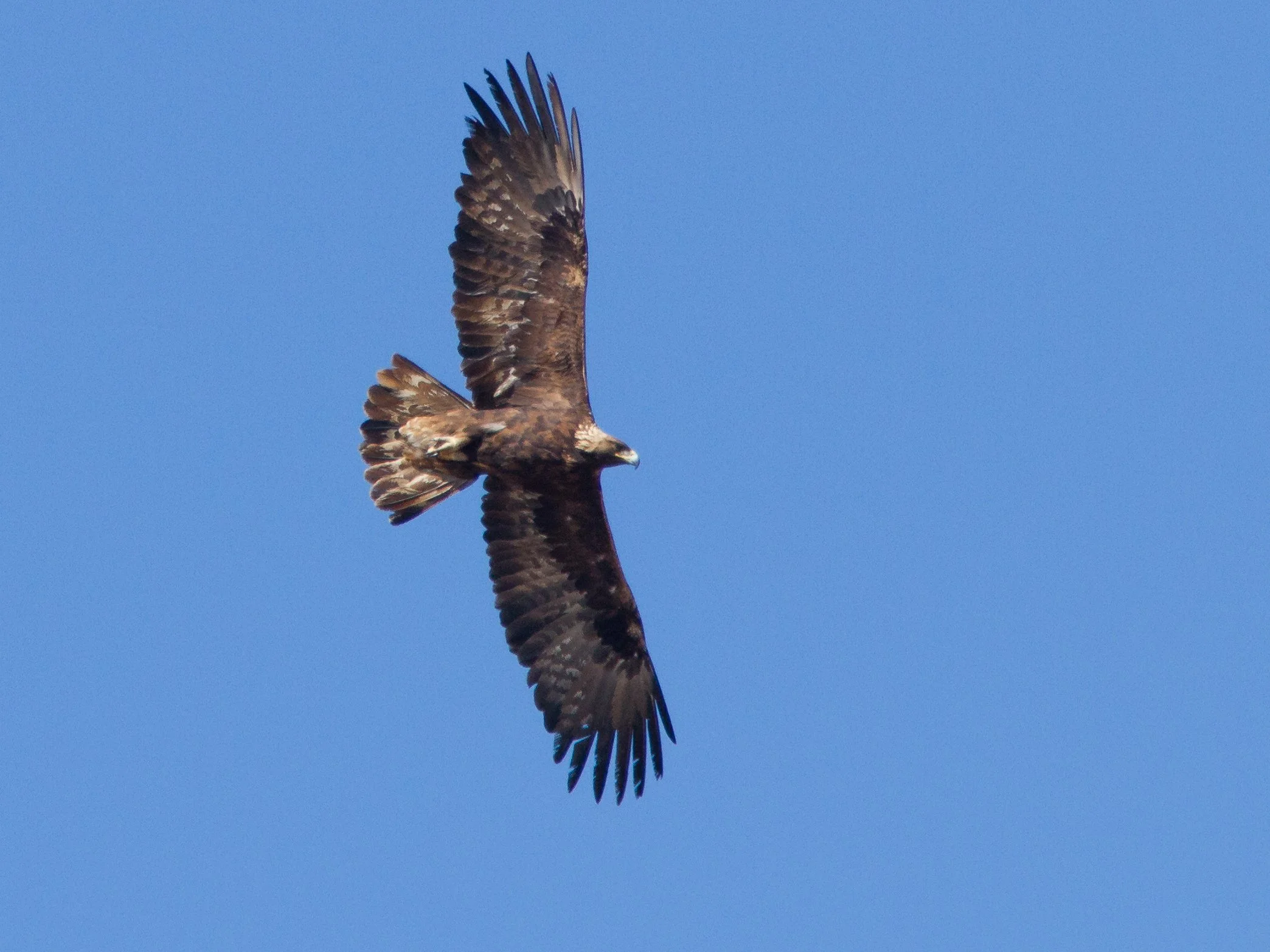
These discoveries are just the beginning of understanding what young golden eagles need to survive and thrive. There is still much work to be done to better understand PFDP and the implications it raises when it comes to the eagles’ success and survival in the NCA - but Kevin and the rest of the team at the RRC are working hard to ensure that golden eagles are here to stay.
(C) Neil Paprocki